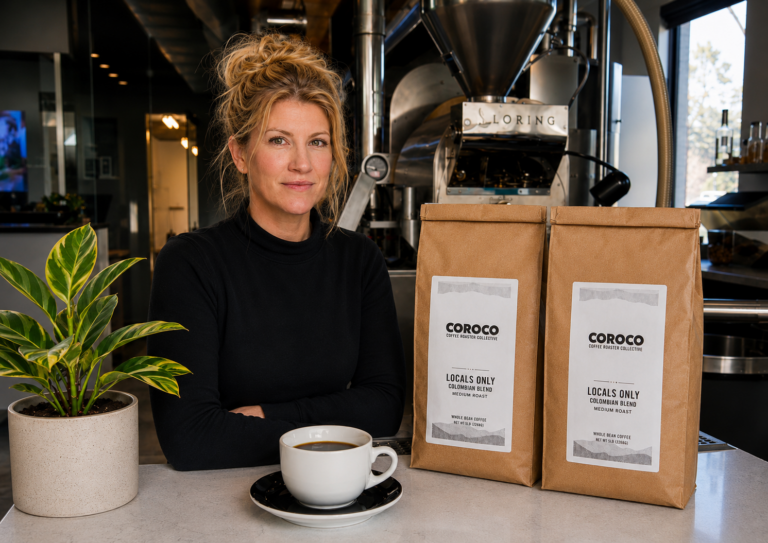
The best wholesale coffee beans for a café come from a roaster that can deliver more than a good tasting sample. Look for consistent roasting, dependable ordering, coffee that fits your menu, practical training, and responsive support when service gets busy.
Price matters, but the right wholesale coffee supplier also helps you protect drink quality, train your team, reduce waste, and create an experience customers want to return to. Use these seven questions to compare potential partners.
What should a café look for in a wholesale coffee supplier?
A strong supplier should make great coffee easier to serve consistently. Before you compare price lists, evaluate the coffee itself, the systems behind it, and the support your team will receive after the first order.
1. Does the coffee fit your customers and menu?
Start with the drinks you sell most and the flavors your customers expect. A high-volume milk beverage may need an espresso that stays clear and balanced through milk, while batch brew may benefit from a clean, approachable coffee that works throughout the day.
Ask the roaster to taste with you. A useful wholesale conversation should cover brew methods, dose, beverage sizes, customer preferences, and your target price point—not just a list of origins and tasting notes.
Quick answer: Choose coffee for the way it will actually be served. The “best” bean is the one your team can brew consistently and your guests will want again.
2. How does the roaster protect consistency and freshness?
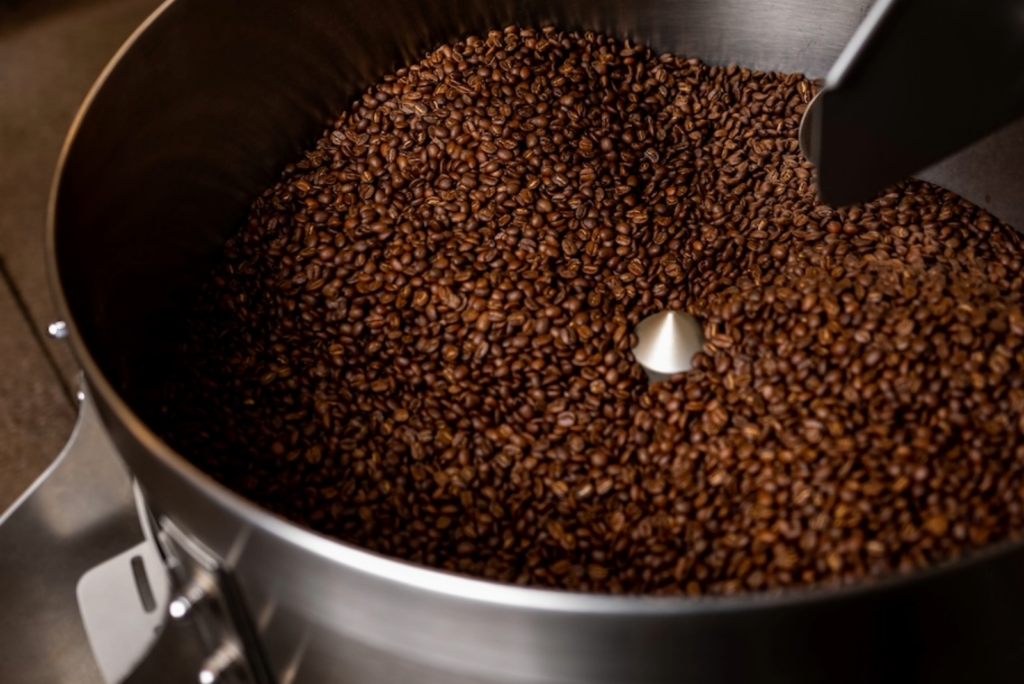
A café needs repeatable results from bag to bag. Ask how the roaster develops profiles, checks finished coffee, communicates seasonal changes, and helps accounts adjust when a component or crop changes.
Freshness is also a planning issue. Your ordering rhythm should keep enough coffee on hand for reliable service without creating unnecessary back stock. A good partner will help you set an order cadence that reflects your volume, delivery schedule, and storage space.
3. Is there a coffee range that can grow with your program?
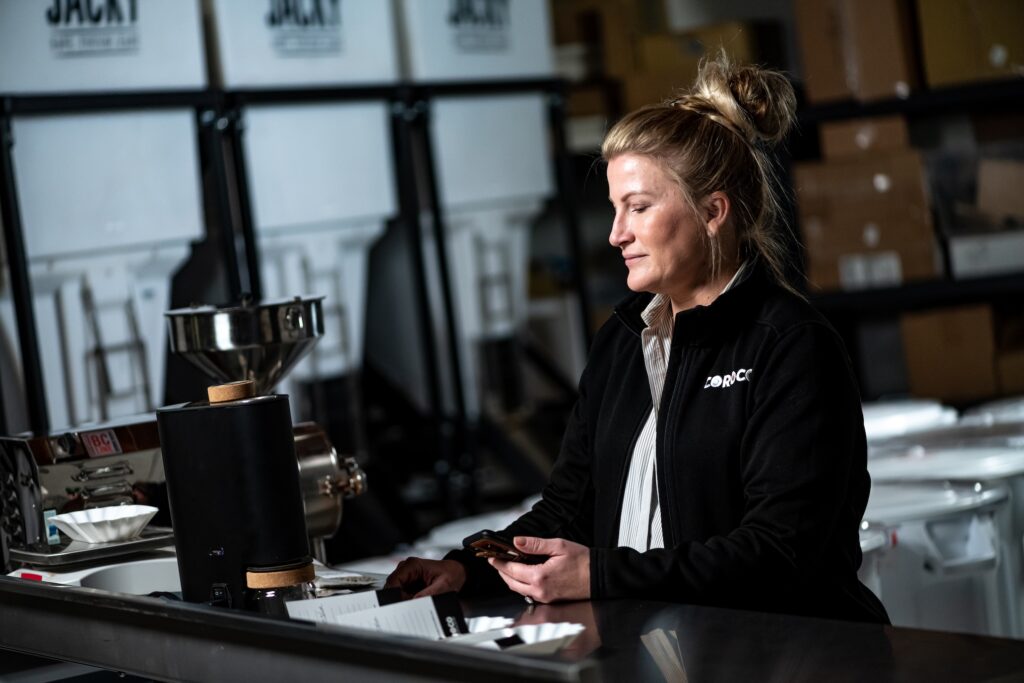
Most cafés need more than one role filled. You may want a dependable house espresso, a versatile batch-brew option, decaf, and occasional feature coffees. The exact lineup will vary, but each coffee should have a clear purpose on your menu.
At Coroco, wholesale partners can choose from approachable blends and microlot coffees roasted in small batches in Sycamore, Illinois. That gives operators room to build a reliable core menu while introducing seasonal or origin-driven options when they fit.
4. What training and dialing-in support is included?
Coffee quality can disappear quickly when recipes drift, grinders change, or new team members are rushed onto bar. Ask whether the wholesale roaster will help with espresso recipes, grinder adjustments, extraction troubleshooting, workflow, and barista fundamentals.
Coroco’s wholesale program includes hands-on support and coffee education. Partners can also use the weekly Coffee Lab: Pro Series in Sycamore for guided work on espresso, barista skills, roasting, and coffee quality.
5. Will ordering and delivery fit your operation?
The right coffee is only useful if it arrives when you need it. Confirm order deadlines, delivery or shipping days, minimums, lead times, packaging sizes, and what happens when volume changes unexpectedly.
Local relationships can make communication faster, but geography should support your operations—not be the only deciding factor. Coroco serves Chicago, Sycamore, St. Charles, DeKalb, Geneva, Batavia, and the broader Northern Illinois region, with nationwide shipping available.
6. What is the total value—not just the price per pound?
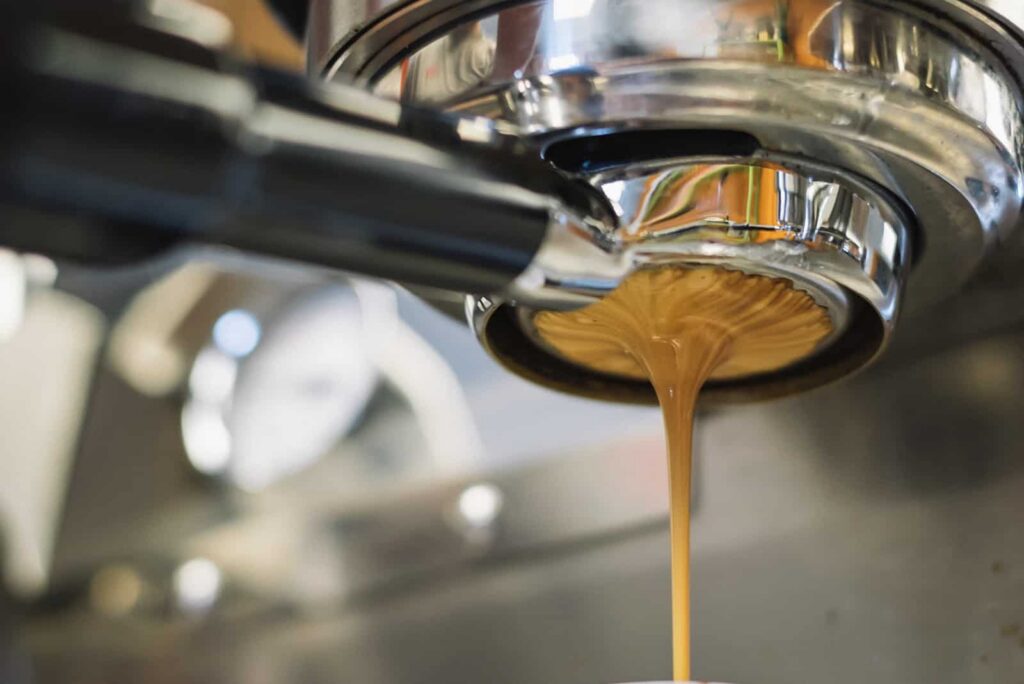
Wholesale price is one line in a larger operating equation. Coffee that is difficult to dial in, inconsistent, poorly matched to your menu, or unsupported by training can create waste and slow service.
Compare suppliers on the full package: cup quality, consistency, order reliability, education, problem solving, and the time your team spends correcting avoidable issues. A slightly lower price does not create savings if it produces more remakes or more time troubleshooting.
7. Does the roaster act like a long-term partner?
Your needs will change with staffing, seasons, equipment, and customer demand. Look for a wholesale coffee roaster that stays available after onboarding and can help you revisit recipes, introduce coffees, train new staff, or troubleshoot a sudden change in the cup.
The most valuable relationship is not transactional. It gives your team a knowledgeable person to call and a shared process for keeping coffee quality steady.
Karen helped us bring the coffee side of Brewlee to life
from vendor guidance and install support to dialing in the roast for our downtown Chicago shop. Her mix of roasting expertise and real café experience made her an invaluable partner as we opened.

How much wholesale coffee should a café order?
Estimate weekly need by multiplying drinks sold by the grams of coffee used per drink, then divide by 453.6 to convert grams to pounds. Add a small, intentional allowance for dialing in, training, and normal waste.
Example: 500 espresso drinks × 18 grams = 9,000 grams, or about 19.8 pounds before a waste allowance. Add batch brew and other coffee uses separately.
Use the estimate as a starting point, then compare it with actual inventory over several weeks. Your roaster can help adjust the cadence so you avoid both shortages and unnecessary stock.
Why work with a local wholesale coffee roaster?
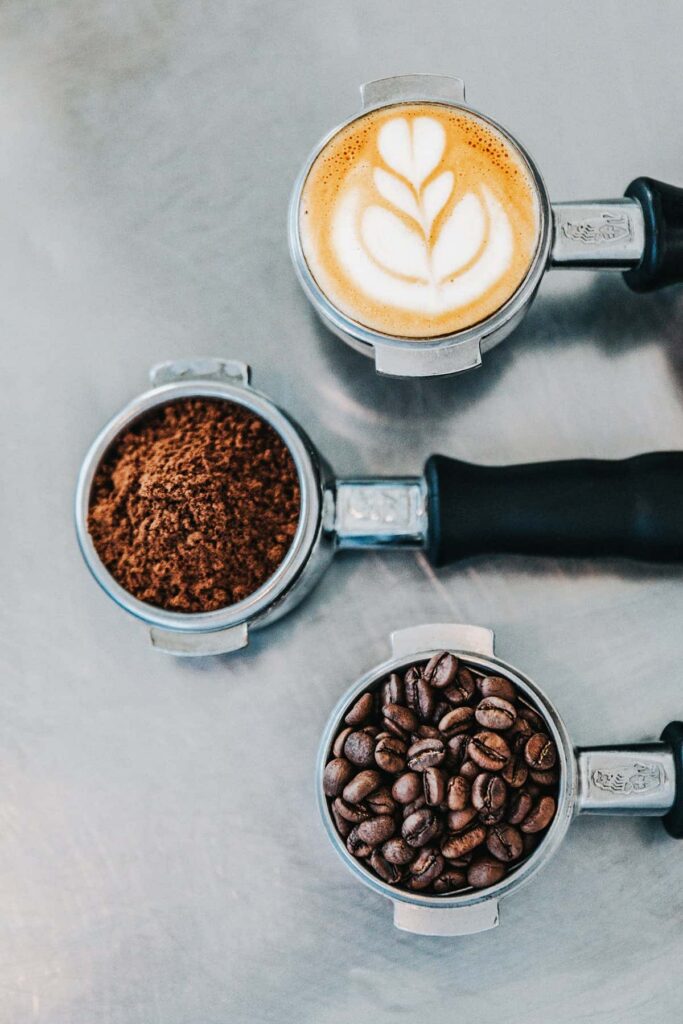
For cafés in Northern Illinois and Chicagoland area, a nearby roaster can make in-person training, coffee tastings, troubleshooting, and relationship building easier. Local access is especially useful during an opening, a menu change, or a period of team growth.
It should still be paired with the fundamentals: coffee you are proud to serve, reliable fulfillment, clear communication, and support that improves day-to-day execution.
A simple wholesale coffee evaluation checklist
- Taste coffees using the same brewing method and water you use in service.
- Ask how roast consistency and seasonal coffee changes are managed.
- Confirm order minimums, cutoff times, delivery or shipping schedules, and lead times.
- Define which training, dialing-in, and troubleshooting support is included.
- Calculate the weekly coffee volume your current drink count requires.
- Check that the lineup covers espresso, batch brew, decaf, and feature needs relevant to your menu.
- Speak with the people who will support the account—not only the person making the initial sale.
Build a coffee program your team can serve with confidence
Choosing wholesale coffee beans is ultimately about consistency—for your guests, your staff, and your business. The right partner will help you select coffees for your menu, establish reliable recipes, train your team, and keep improving after launch.
Coroco Coffee Roaster Collective supports cafés, restaurants, bakeries, offices, and other businesses from its roastery in Sycamore, Illinois. Explore Coroco’s wholesale coffee program to start a conversation or learn about an upcoming Coffee Lab: Pro Series session.
Frequently asked questions
What are the best wholesale coffee beans for a café?
The best choice is a coffee that matches your menu and customers, stays consistent in service, and comes with reliable ordering and support. Taste it using your own equipment and recipes before deciding.
Should cafés buy whole-bean or ground wholesale coffee?
Whole-bean coffee is usually the better fit for café service because it can be ground immediately before brewing. Match the grinder and grind setting to each brewing method, and ask your roaster for dialing-in guidance.
How often should a café order wholesale coffee?
Order often enough to maintain a practical freshness window and enough inventory to avoid stockouts. The best cadence depends on sales volume, delivery or shipping schedules, storage, and how many coffees you carry.
Can a wholesale coffee roaster help train baristas?
Many do, but the level of support varies. Ask what is included. Coroco provides hands-on support, ongoing coffee education, and weekly Coffee Lab: Pro Series sessions for wholesale partners and prospective partners.
Does Coroco ship wholesale coffee outside Northern Illinois?
Yes. Coroco serves wholesale partners across Northern Illinois and offers nationwide shipping.