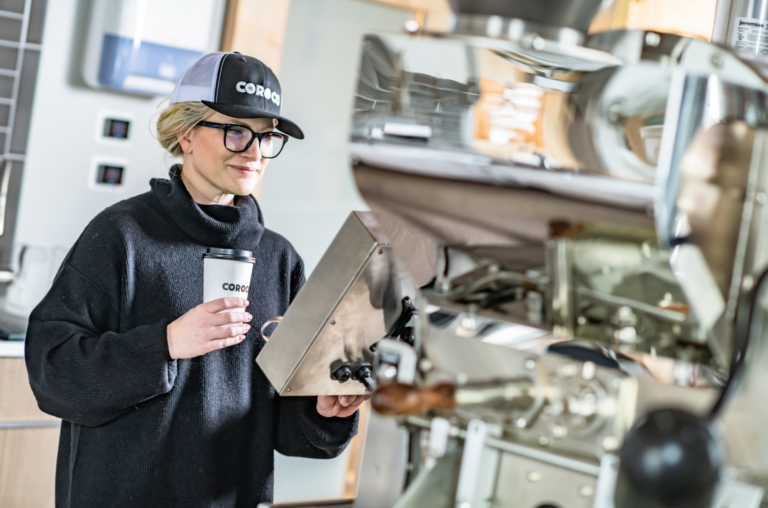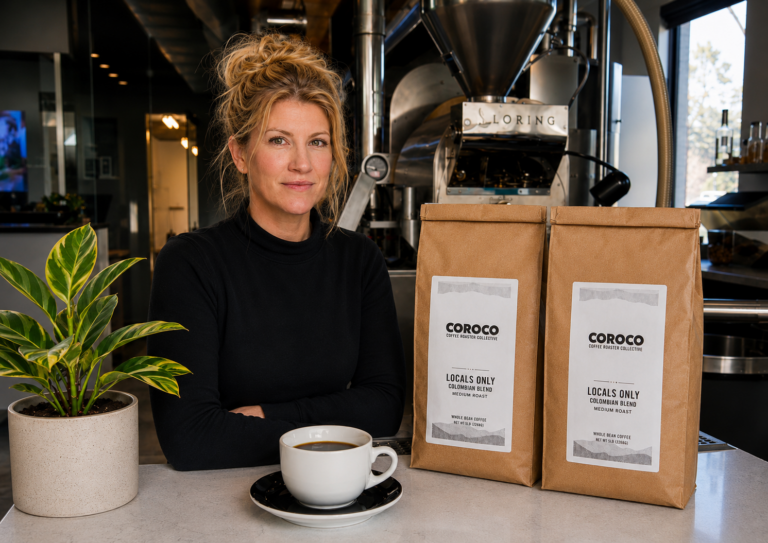
WWhen Roastar recently featured COROCO Coffee Roaster Collective in a case study about coffee branding and packaging, the conversation naturally started with coffee.
But it didn’t stay there for very long.
We talked about roasting and coffee quality, certainly. We also talked about packaging, audience, storytelling, product names, retail presentation, and the experience someone has before they ever brew their first cup.
That’s because building a coffee brand requires more than putting good coffee into a good looking bag.
The coffee, the brand, and the customer experience have to make sense together.
For an established café or retailer, some of those decisions may already be made. For a startup developing its first coffee product, they often aren’t. And that’s where choosing the right roasting partner can make a significant difference.
Your Coffee Should Start With the Customer, Not the Roaster
One of the ideas I shared with Roastar was that every coffee can have its own personality and story. That isn’t just a packaging philosophy.
When we’re developing coffee for another business, one of the first things I want to understand is who they’re trying to serve.
Maybe you already have an audience and want coffee to become another part of the experience you’ve created for them.Those answers matter because they can influence the coffee itself. Origin, processing method, roast development, blend composition, and flavor profile should support the experience you’re trying to create. A good roasting partner shouldn’t begin by telling you what they want to sell you.
They should begin by asking what you want to build.
That’s also how we approach our broader COROCO wholesale coffee program. The goal isn’t simply to match every business with the same bag of coffee. It’s to understand where coffee fits into that business and what it needs to accomplish.
Coffee Expertise Still Comes First
Branding can’t rescue bad coffee.
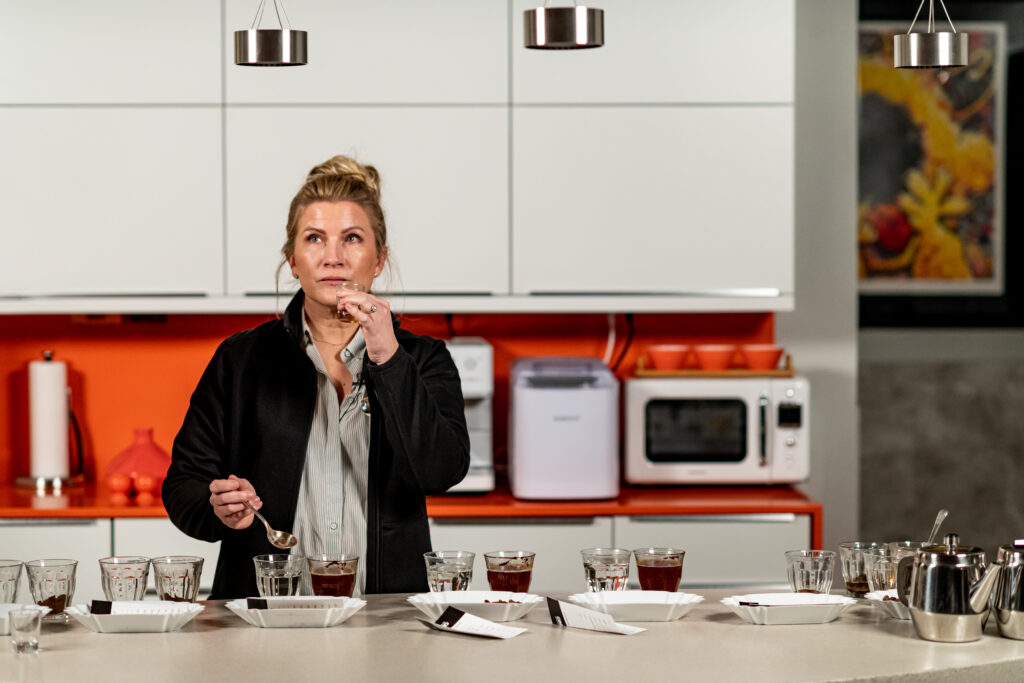
As a roaster and licensed Q Grader, my first responsibility is still to what’s inside the bag.
That means evaluating coffee, understanding origins and processing methods, developing roast profiles, and making sure the finished product delivers what we intended. But technical coffee knowledge becomes even more valuable when it can be translated into normal language.
A new coffee company probably isn’t going to contact us and say, “I’m looking for a particular washed coffee with this specific roast development.”
They might say:
“I want something smooth.”
“We want coffee people can drink every morning.”
“I don’t want it too dark.”
“We want something a little different, but not weird.”
Those are perfectly good places to start. Part of my job is taking the idea someone has in their head and translating it into a coffee their customers will understand and enjoy. You don’t need to become a coffee expert before talking to a coffee roaster. Your roasting partner should bring that expertise to the relationship.
The Bag Is Part of the Product
In the Roastar interview, I described packaging this way:
“Packaging gives someone their first introduction to a coffee before they ever smell it, brew it, or taste it.”
We’ve learned that firsthand while developing COROCO’s own coffees and brands.
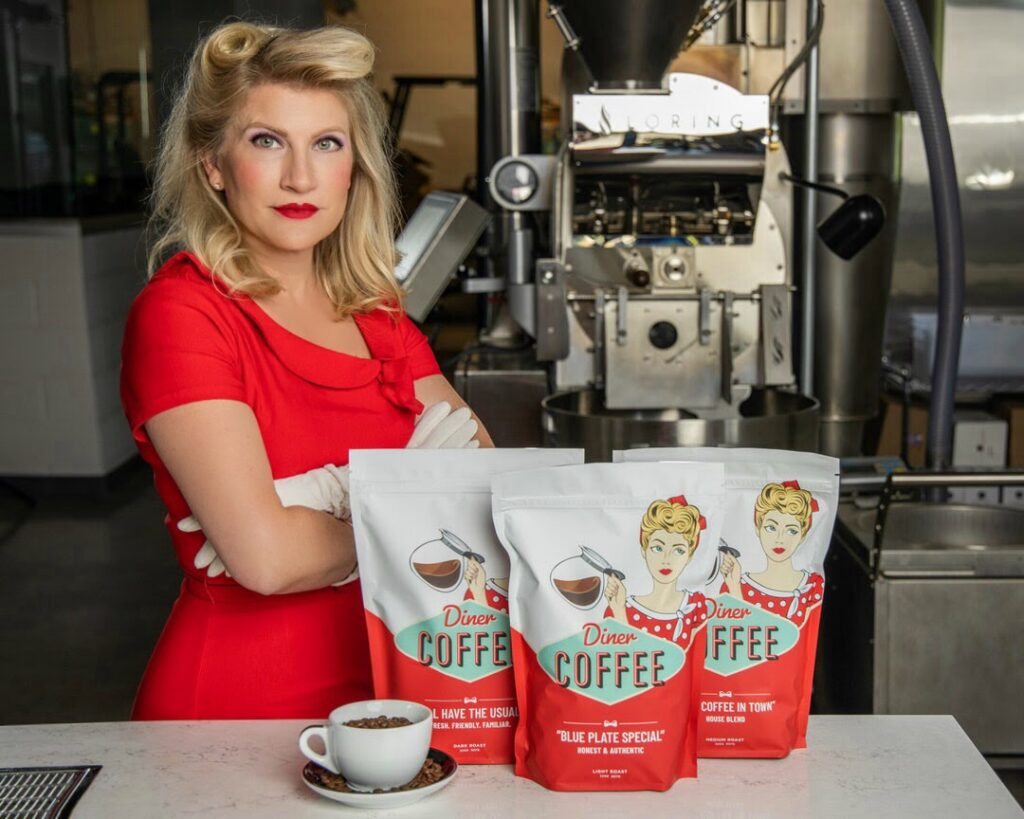
Diner Coffee shouldn’t look like Interlude Coffee. A seasonal release doesn’t necessarily need to look like an everyday house coffee. Different products can appeal to different people and tell very different stories while still meeting the same standards in the roastery.
For a startup coffee company, that means packaging shouldn’t necessarily be something you consider only after the coffee has been chosen.
Who is the coffee for?
Where will customers encounter it?
What should they understand about it in the first few seconds?
How should it feel compared with the other products surrounding it?
What gives someone a reason to pick up your bag?
As I told Roastar, “The roast, the name, the story, and the package all become parts of the same creative process.”
That’s one of the advantages of working with a roaster who understands both coffee and brand building.
Your Roaster Can Be More Than Your Supplier
For some businesses, a transactional roasting relationship is exactly what’s needed. Choose a coffee, order it, and have it delivered. Startups often need something more. You may be figuring out roast profiles, product sizes, packaging, pricing, brewing recommendations, café procedures, employee training, or simply how to talk about coffee without overwhelming your customers. You might not even know yet which questions you should be asking. That’s okay.
One of my favorite parts of the coffee industry is helping our wholesale partners get established, understand their coffee program, train their teams, and become more confident about what they’re serving. That experience also shapes how we think about choosing the right wholesale coffee partner.
Good wholesale coffee is important, but the relationship surrounding it can be just as valuable.
If something isn’t tasting right, you should have someone you can call.
If you’re unsure which coffee makes sense for a particular use, you should be able to ask.
And if you’re building something from scratch, your roasting partner should be willing to understand what you’re trying to accomplish before suggesting the solution.
A Coffee Brand Doesn’t Have to Look Like Someone Else’s Coffee Brand
This is one of the things I enjoyed talking about most with Roastar. I’ve always looked at COROCO as both the roaster and the creative house behind the coffee. That gives us room to let different coffees have different identities instead of forcing everything into exactly the same visual mold.
The same idea applies when we’re helping someone else develop a coffee. Your product doesn’t need to look like COROCO. It shouldn’t. It should make sense for your customers, your business, and the story you want to tell. Our job as the roaster is to help make sure the coffee inside supports that story.
Start With the idea
If you’re considering launching a coffee brand or developing a private label coffee, you don’t need to show up with everything figured out. You might already have a finished logo, packaging concept, and detailed business plan. You might have an established company and audience and simply believe coffee would be a natural addition to what you’re already doing. Or maybe you just have an idea for a coffee brand and aren’t quite sure what comes next. All three are perfectly reasonable places to start.
At COROCO Coffee Roaster Collective, we can begin with a conversation about what you’re building, who it’s for, how you want the coffee to taste, and what kind of experience you want your customers to have. From there, we can start working toward the coffee that belongs inside your bag.
Thinking about starting your own coffee brand or developing private label coffee? Contact COROCO and tell us what you’re working on.
Frequently Asked Questions
Can COROCO help me develop coffee for a new brand?
Yes. The process can begin with your audience, the type of product you’re creating, how you want the coffee to taste, and how you plan to sell or serve it. You do not need to have every coffee detail figured out before starting the conversation.
Do I need to know what origin or roast level I want?
No. Describing the experience or flavor you’re trying to create is enough to begin. A knowledgeable roaster can help translate those ideas into origins, blends, roast profiles, and tasting characteristics that make sense for your brand.
Why does working with a Q Grader matter when creating a coffee brand?
A Q Grader is professionally trained to evaluate coffee quality, flavor, consistency, and defects. That sensory experience can be especially helpful when developing a coffee that needs to deliver a specific flavor profile and remain consistent as your business grows.
Can a coffee roaster help with branding and packaging decisions?
The level of support varies by roaster. At COROCO, coffee and branding often overlap because the roast, audience, story, name, and package all contribute to how someone experiences the finished product. COROCO can help clients think through those connections while developing the coffee itself.